E-Commerce Storefront
A component-driven storefront with fast filtering, persistent cart state and a checkout that never makes the user guess.
The Challenge
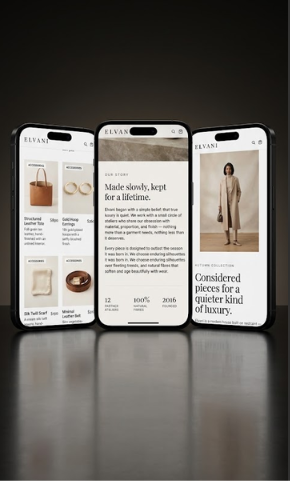
Shoppers abandoned the catalogue because filtering triggered full page reloads and the cart lost its contents between sessions. Product imagery was inconsistent, making the grid feel unreliable.
The Solution
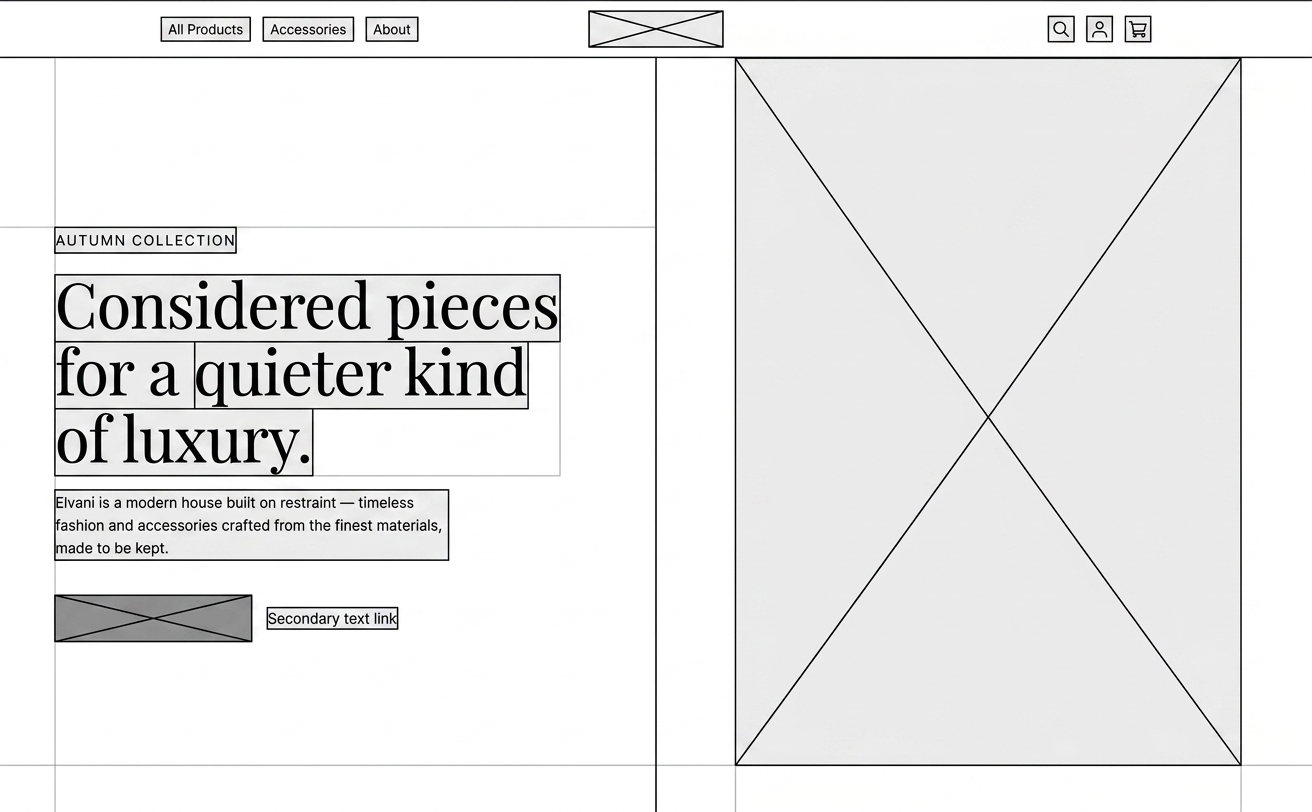
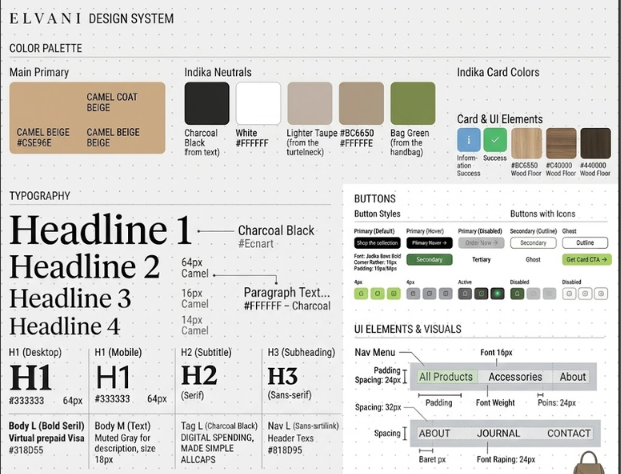
I rebuilt the catalogue as a client-side filtered grid with URL-synced state, added persistent cart storage, and standardised product media ratios so the grid reads as one continuous surface.

Design Process
Development
1export function useCart() {2 const [items, setItems] = useState<CartItem[]>([]);3 4 const add = (product: Product, qty = 1) =>5 setItems((prev) => mergeLine(prev, product, qty));6 7 const total = useMemo(8 () => items.reduce((sum, i) => sum + i.price * i.qty, 0),9 [items]10 );11 12 return { items, add, total };13}Responsive

Results
- Lighthouse Performance
- 94Lighthouse Performance
- Faster Filtering
- 31%Faster Filtering
- Reusable Components
- 38+Reusable Components
- Accessibility Focused
- WCAGAccessibility Focused
What I Learned
I learned the importance of simplifying complex flows and building components that are easy to maintain and scale. It also improved my understanding of user trust and micro-interactions.
- State colocation and URL syncing
- Designing for empty and error states
- Deriving totals instead of storing them
- Testing across real devices